THE STEADY RISE OF DEPRESSION AND ANXIETY IN TEENS IS HIGHLIGHTING EMERGING AREAS IN NEED OF PRIORITIZATION
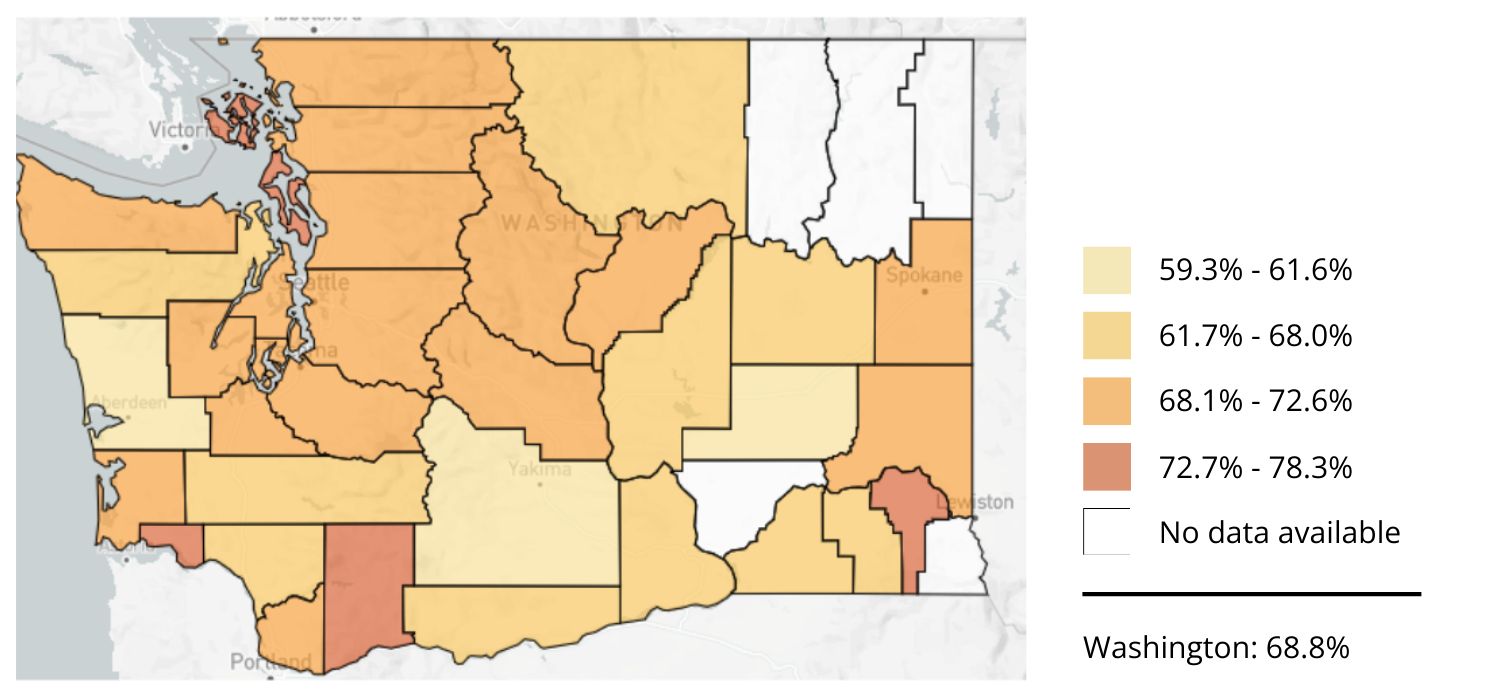
Understanding the " Percent of 10th graders who felt sad or hopeless and Percent of 10th graders who felt anxious, nervous or on-edge in Washington " indicator: To drive meaningful change for kids and families, we rely on data indicators—specific, measurable pieces of information that show how children are doing across key areas like health, education, and economic stability. One foundational indicator in our KIDS COUNT® data project is the rate at which adolescents report symptoms of anxiety and depression. In this case, due to the format of the 2023 healthy youth survey, 10th grade respondents reported if they had been feeling “sad or hopeless,” or “nervous or on edge.” This helps advocates and policymakers understand and evaluate the severity of the youth behavioral health crisis at a lower level of acuity. Depression does not always manifest in suicidal ideation. It is important for lawmakers to consider policies that could serve as upstream, preventative solutions which, in some cases, may be more cost effective than more intensive clinical interventions down the road.
Click here to view county-level data for anxiety and click here to view county-level data for depression.
Overview
Evaluating the rates at which adolescents report symptoms can provide insight as to whether policy solutions are effective at stemming the growth of behavioral health disorders in youth. In Washington’s case, the Healthy Youth survey identifies two ways of measuring symptoms associated with depression and anxiety: feeling sad or hopeless and feeling nervous or on-edge. Between 2016 and 2023, the rate at which 10th graders reported feeling sad or hopeless rose by 3.6 percentage points and feeling anxious or on-edge rose by 2.2 percentage points. One reason for this increase could be insufficient investment in the continuum of behavioral health care for youth, or larger public health crises such as the COVID-19 pandemic, which had a profound negative impact on the behavioral health of youth. At the very least, we can conclude that not enough has been done to address the youth behavioral health crisis.
Additionally, this report is limited by the lack of data for many communities, specifically many counties in eastern Washington which have no available data due to low sample size and data suppression. Because the Healthy Youth Survey is an optional survey for students, coupled with low population sizes in some counties, it can be difficult to assess the true rates of mental illness in every part of the state. However, other data points, including indicators about suicidal ideation, suggest that extremely rural areas are also experiencing a youth behavioral health crisis, possibly due to the lack of behavioral health care and language access obstacles in many rural parts of Washington.
Table 1: percentage of 10th graders who reported feeling sad or hopeless, and anxious or on edge, over several years.

Past Work:
Children’s Alliance has always prioritized the behavioral health of young people in Washington. Washington ranks 48th in the country for youth flourishing according to Mental Health America, a measure of whether young people demonstrate learning, persistence, and emotional regulation. Our youth behavioral health crisis existed long before the COVID-19 pandemic, as seen in the tables above, and has either failed to improve significantly or worsened in the time since. Our previous work includes advocating for investments in the behavioral health workforce and increasing access to higher education for prospective providers.
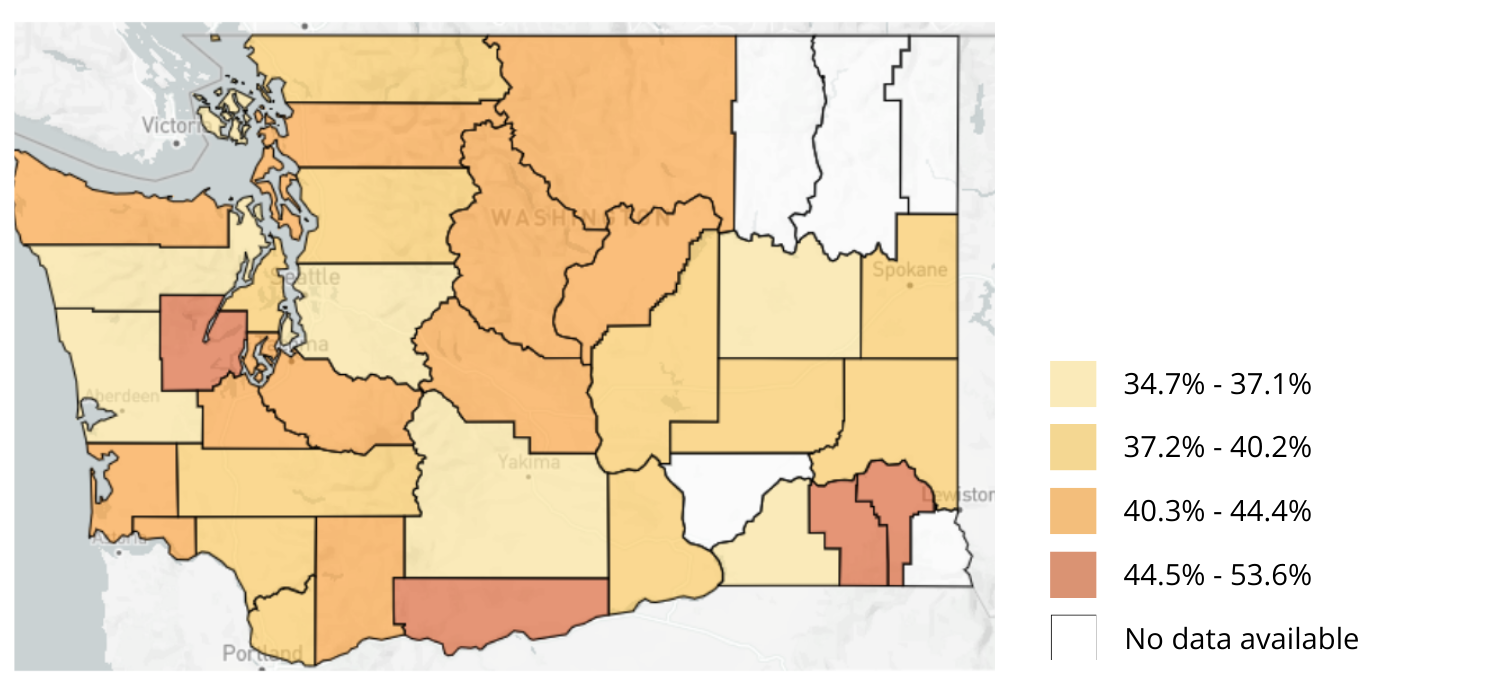
Image 1. 10th graders who feel sad or hopeless
Image 2. 10th graders who feel anxious, nervous or on-edge
Ongoing Work:
Children’s Alliance has convened stakeholders around the common goal of guaranteeing all children in Washington have access to effective and affordable behavioral health care. One way we are doing this is partnering with champions in the legislature and advocates from across the state to operationalize the Washington Thriving strategic plan, which will align advocates, agencies, and lawmakers on a trajectory to address our fragmented and insufficient behavioral health system of care, ensuring that more young people and their families have access to the equitable care and support they deserve.
Additionally, tackling the root causes of the symptoms of anxiety and depression is necessary to prevent the youth behavioral health crisis from worsening. To address this Children’s Alliance is partnering with the Attorney General’s Office to advance legislation that would inhibit one a primary sources of anxiety and depression in youth: problematic use of addictive online feeds. House Bill 1834 / Senate Bill 5708 would regulate online content feeds by prohibiting minors from being targeted by the highly sophisticated algorithms large companies use to keep kids scrolling. We know that problematic use of social media can contribute to negative feelings and helping children and youth to disconnect from social media can be effective at improving emotional wellbeing. Children’s Alliance is committed to tackling the youth behavioral health crisis in Washington from both the prevention and intervention angles.
———
Data Sources:
The data used for this measure come from the Washington State Healthy Youth Survey (HYS) which is conducted every two years. Data were retrieved in June 2024 from: http://www.askhys.net/.
KIDS COUNT® is a registered trademark of The Annie E. Casey Foundation., Inc., and is used with permission of the Foundation.