BLOG
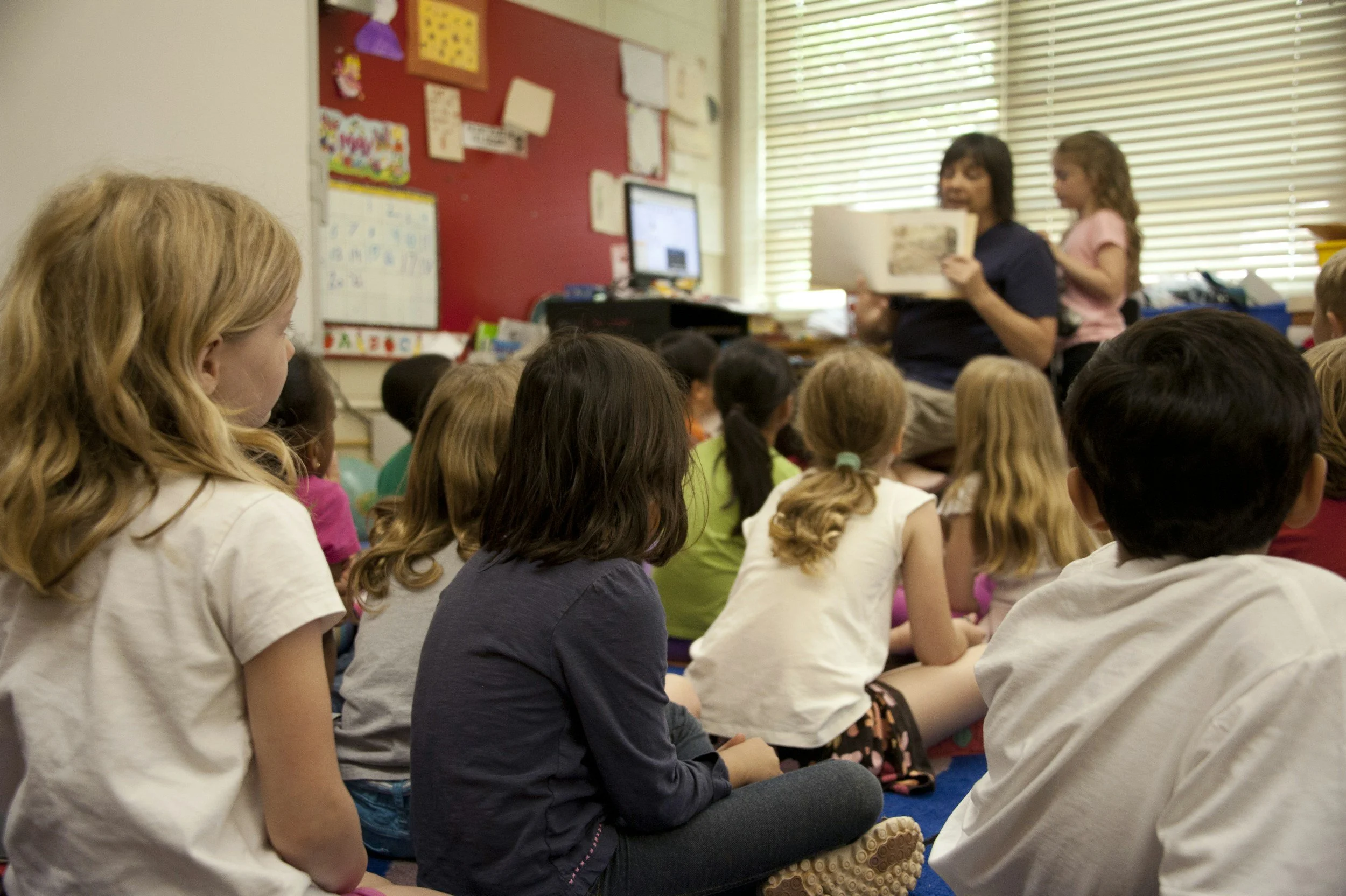
I-645 WILL CUT FUNDING FOR K-12 EDUCATION AND EARLY LEARNING
Initiative 645, spearheaded by multi-millionaire Brian Heywood, aims to repeal the Millionaires Tax and consequently the investments in education that lawmakers planned for.

I-645 COULD SECRETLY ELIMINATE MUCH MORE THAN THE MILLIONAIRES TAX
Initiative 645 would eliminate the Millionaires Tax, and consequently the funding intended to support the Working Families Tax Credit expansion. Although the initiative attempts to keep the expansion, without the revenue from the Millionaires Tax there will not be enough money in the state budget to fund it.

I-645 WOULD ELIMINATE SALES TAX CUTS FOR FAMILIES
The Millionaires Tax, which passed earlier this year, included sales tax cuts to essential household and personal hygiene items. But if Initiative 645 passes, it will repeal those tax reductions before they reach consumers.
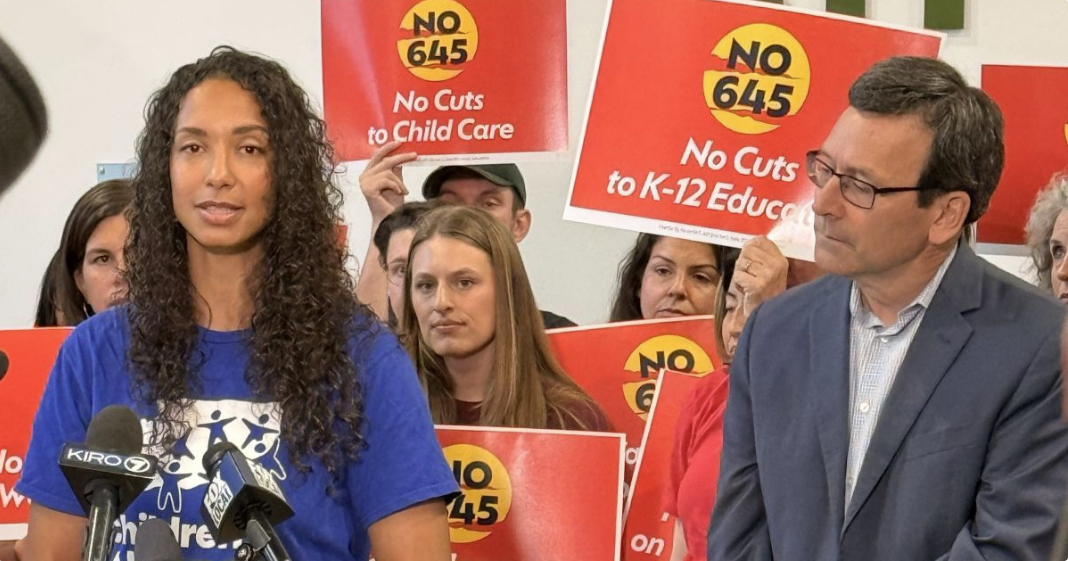
THE MILLIONAIRES TAX WILL HELP FUND A BETTER FUTURE FOR WASHINGTON'S CHILDREN
Children’s Alliance joins the No on I-645 campaign to reject a repeal of the Millionaires Tax and ensure WA continues on a path toward a more equitable tax code.
OUR 2026 LEGISLATIVE REPORT: HOW DID OUR ADVOCACY IMPACT KIDS & FAMILIES?
The 2026 Legislative Session came to a close last week. Children’s Alliance is proud to have worked alongside many powerful advocates and partners to create positive change for kids and families this session.
OUR 2026 LEGISLATIVE AGENDA
Children's Alliance is committed to protecting key programs, advocating for progressive revenue solutions that compel corporations and the ultra-wealthy to pay their fair share, and fighting against efforts to balance the budget on the backs of Washingtonians with low or middle incomes.
Our 2026 legislative agenda prioritizes the communities most impacted by systemic racism and economic exclusion, advancing policies that sustain early learning, health equity, and economic justice.

WHEN SYSTEMS FAIL: THE RISING COST OF INEQUITY FOR WASHINGTON’S CHILDREN
In Washington state, a child’s chance to thrive still depends on their family’s race and income. Now, federal policy decisions threaten to widen existing disparities and opportunity gaps, cutting off lifelines families rely on to survive and succeed.

ELEVATING ECONOMIC JUSTICE: THE NEXT CHAPTER IN OUR KIDS COUNT® DATA SERIES
Building on our recent data briefs on early learning and child care, we're excited to share the next phase of our KIDS COUNT® data project: three new briefs on economic justice.

CONGRESS JUST GOT ONE STEP CLOSER TO CUTTING ALMOST A TRILLION DOLLARS FROM MEDICAID AND OTHER PROGRAMS
Over the weekend, Senators debated and advanced a massive spending and tax bill that could drastically cut funding for Medicaid and other vital federal programs that millions of Americans rely on for health care, food, housing, and economic stability.

WASHINGTON FALLS IN NATIONAL RANKINGS FOR OVERALL CHILD WELL-BEING
The Annie E. Casey Foundation’s 2025 KIDS COUNT® Data Book show’s that Washington leaders must do more to provide the support and resources children need to thrive in school and life.

2025 LEGISLATIVE REPORT: PROGRESS IN THE FACE OF SIGNIFICANT CHALLENGES
Despite a $16 billion budget shortfall, we were able to celebrate some victories for kids and families this year. Read our full legislative report to learn more about the progress we made.

WASHINGTON’S BUDGET DEFICIT THROUGH A RACE EQUITY LENS
Our state faces an estimated $15 billion deficit over the next four years, and in response, our governor and legislators are proposing cuts to essential public programs to close the gap. But without a race equity lens, budget decisions risk deepening existing disparities.

2025 MID-SESSION UPDATE
We are 43 days into the 2025 legislative session, with 62 days left. A lot has happened so far, including some major successes that we are thrilled to share with all of you.

2025 LEGISLATIVE AGENDA
At Children’s Alliance, we see a future in which all of Washington's children have an abundance of what they need to grow up to be the people they dream of becoming. Our 2025 legislative agenda highlights policy priorities in our three primary issue areas: early learning, health equity, and economic justice.
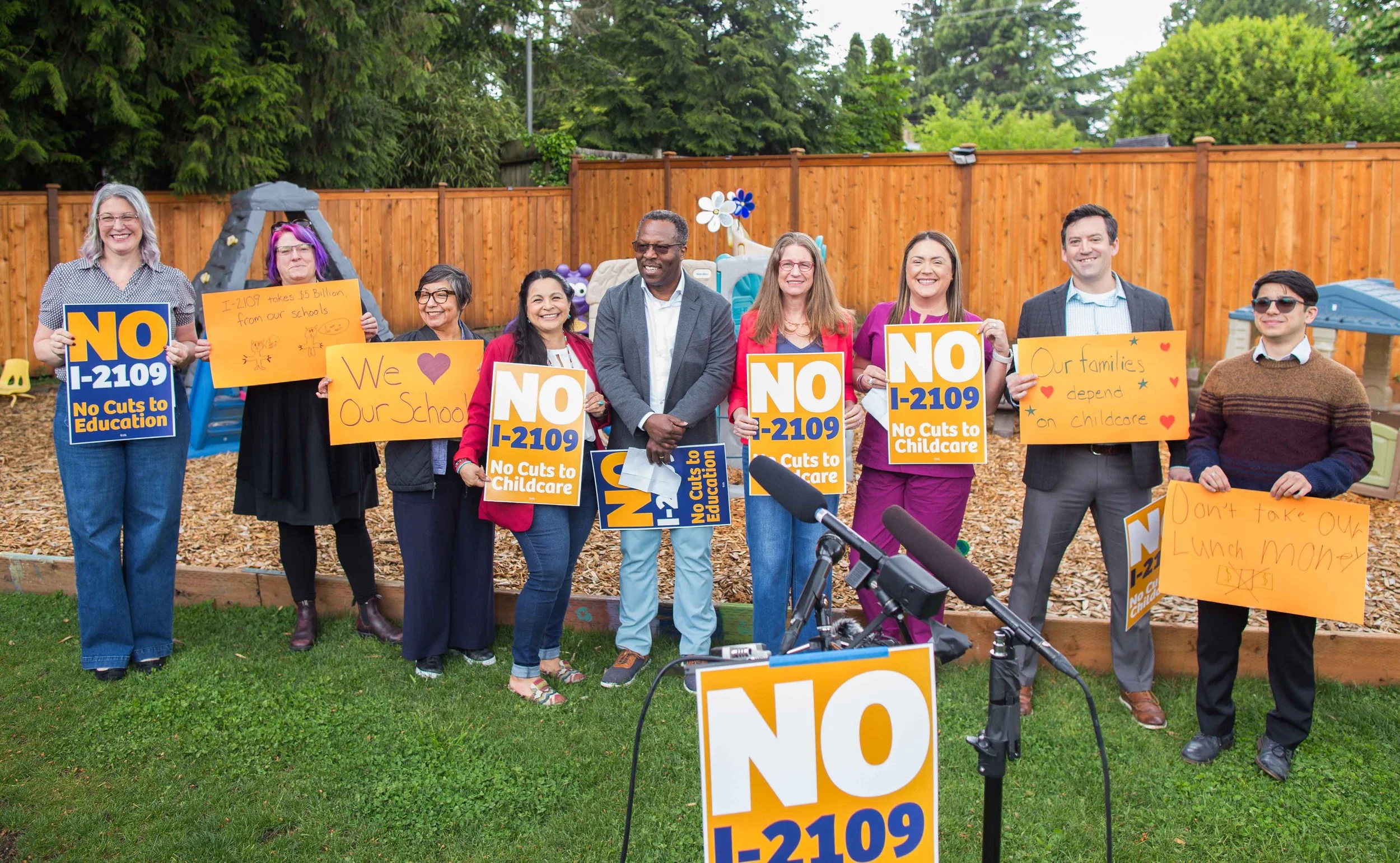
I-2109 IS DEFEATED! BUT WE HAVE MORE WORK TO DO.
Washington voters spoke up for kids in the 2024 election and roundly defeated I-2109, the ballot initiative that would have repealed our state’s capital gains tax and cut billions from early learning, child care, K-12 education and school construction.

WASHINGTON IS IN THE BOTTOM HALF OF STATES FOR EDUCATION AND ECONOMIC WELL-BEING ACCORDING TO KIDS COUNT® DATA
Earlier this month, the Annie E. Casey Foundation published its 2024 KIDS COUNT® National Data Book, which ranks states in overall well-being and across four categories.
WASHINGTON RANKS 14TH IN THE NATION FOR CHILD WELL-BEING, BUT OUR STATE UNDERPERFORMS IN KEY AREAS
Washington is making progress in terms of overall child wellbeing. However, our state still has plenty of room to improve, especially in terms of education and economic well-being.

POLICY UPDATE: BILLS WE WORKED TOGETHER TO PASS THIS YEAR WENT INTO EFFECT ON JUNE 6
Every legislative session, Children’s Alliance works with advocates from across the state to advance policies that support Washington’s kids and families. On June 6, many of the bills we advocated for during the 2024 legislative session will go into effect.

2024 LEGISLATIVE REPORT: WHAT DID LAWMAKERS DO FOR KIDS?
We made important steps forward this legislative session, particularly in the areas of youth behavioral health and child care affordability. Read our full report to learn about the progress of all of our top priority legislation.

WE’RE IN THE LAST WEEK OF THE 2024 LEGISLATIVE SESSION!
Session is wrapping up, and bills are starting to reach the finish line. We are excited to highlight some of the significant bills that passed the Legislature in 2024.